
Best Smart Smoke Detectors in October 2026
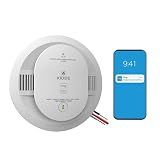
Kidde Smart Smoke & CO Detector with Ring, Hardwire & AA Battery, RGCUAR-RW
-
DUAL ALERTS FOR SMOKE & CO: STAY SAFE WITH COMPREHENSIVE DETECTION.
-
REAL-TIME ALERTS: GET INSTANT NOTIFICATIONS VIA THE RING APP-ANYTIME, ANYWHERE.
-
FASTER DETECTION: OVER 25% QUICKER SMOKE ALERTS FOR ENHANCED SAFETY.


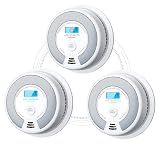
X-Sense Wireless Combination Smoke and CO Detector, XP0H-WN, 3-Pack
- ALL ALARMS SOUND TOGETHER FOR IMMEDIATE, COORDINATED ALERTS.
- LONG-LASTING 10-YEAR BATTERY ELIMINATES REPLACEMENT HASSLES.
- 2-IN-1 SMOKE AND CO DETECTION ENSURES NONSTOP SAFETY IN ONE DEVICE.
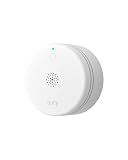
eufy Security Smoke Alarm E10, Smoke Detector, Ultra-Compact 70 mm Design
-
UL 217 COMPLIANT: ACCURATE FIRE ALERTS WITH NO FALSE ALARMS.
-
ULTRA-COMPACT DESIGN: FITS SEAMLESSLY INTO ANY MODERN HOME.
-
5-YEAR BATTERY LIFE: HASSLE-FREE PROTECTION, NO MORE BATTERY CHANGES.
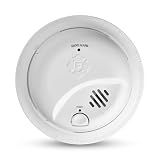
First Alert Battery Smoke Alarm
- REDUCES NUISANCE ALARMS WITH ADVANCED SENSING TECHNOLOGY.
- EASY INSTALLATION WITH BATTERY OPERATION AND FRONT ACCESS.
- END-OF-LIFE WARNING AND TEST BUTTON FOR RELIABLE PERFORMANCE.
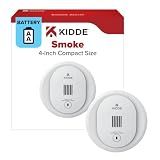
Kidde Compact Smoke Detector, AA Battery-Powered, 10SDR
- 25% FASTER SMOKE DETECTION & 85DB ALARM FOR SAFETY
- EASY SETUP WITH TWO AA BATTERIES & 10-YEAR WARRANTY
- REDUCED FALSE ALARMS WITH ADVANCED SENSING TECHNOLOGY
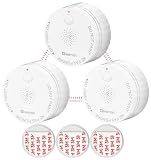
Heiman Smoke Detector, Wireless Interconnected Smoke Alarm for Home, 3 Pack
-
WIRELESS INTERCONNECTED ALERTS: ALL ALARMS SOUND TOGETHER FOR SAFETY.
-
UL CERTIFIED & AWARD-WINNING: MEETS TOP SAFETY STANDARDS WITH STYLISH DESIGN.
-
ADVANCED DUAL-PHOTOELECTRIC TECH: DETECTS SMOKE ACCURATELY, REDUCING FALSE ALARMS.
X-Sense Interconnected Smoke and CO Detector, SC07-W, 6-Pack
-
INSTANT ALERTS: ALL ALARMS SOUND FOR MAXIMUM SAFETY ACROSS FLOORS.
-
10-YEAR BATTERY: ZERO MAINTENANCE, NO REPLACEMENTS, HASSLE-FREE PROTECTION.
-
EASY SETUP: QUICK WALL/CEILING MOUNT-NO WIRING NEEDED FOR INSTALLATION.
X-Sense Interconnected Smoke Detector, 10-Year Battery, SD20-W, 6-Pack
- CONNECT ALARMS FOR INSTANT ALERTS, ENSURING FAMILY SAFETY EVERYWHERE.
- EXPAND PROTECTION WITH UP TO 18 ALARMS; CUSTOMIZE YOUR SAFETY SYSTEM.
- 10-YEAR BATTERY: NO REPLACEMENTS OR LATE-NIGHT CHIRPS EVER NEEDED!
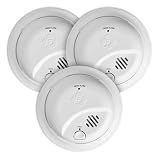
First Alert Battery Smoke Alarm
- ADVANCED SENSING TECH MINIMIZES NUISANCE ALARMS FOR PEACE OF MIND.
- EASY INSTALLATION WITH BATTERY-OPERATED DESIGN FOR HASSLE-FREE USE.
- FRONT ACCESS FOR QUICK BATTERY SWAPS AND END-OF-LIFE ALERTS.
How to Pick a Smart Smoke Co Detector Fast in 2026? starts with one simple fact: smoke alarms cut the risk of dying in a home fire by more than half, but only if the unit is installed correctly, powered reliably, and loud enough to wake you up. Add carbon monoxide to the equation-a gas you can’t see or smell-and your detector choice stops being a gadget purchase and becomes a safety decision with zero room for guesswork.
If you want the short version, here it is: the best smart smoke and carbon monoxide detector for most homes in 2026 is the one that combines dual-sensor smoke detection, app alerts, sealed 10-year backup power or hardwiring, interconnect support, and fewer false alarms in real-world reviews. The rest of this guide helps you spot that model fast, avoid the bad ones, and match the right detector to your home layout and budget.
How we select products: Our team reviews products daily, analyzing customer ratings (4.0+ stars minimum), pricing trends, feature consistency, warranty length, and real buyer feedback to surface items that provide the best value. For this topic, we also compare installation type, smart-home compatibility, alarm interconnect options, power backup, and review patterns around false alarms and app reliability.
How to Pick a Smart Smoke Co Detector Fast in 2026? Start with the 30-second shortlist
If you’re in a hurry, filter every smart smoke co detector through these five checkpoints first. Doing this cuts out most weak options in under a minute.
-
Choose combination protection first.
A smart smoke detector and carbon monoxide detector gives you two critical sensors in one unit, which reduces clutter and simplifies app monitoring. For most bedrooms, hallways, and upstairs landings, a combo model is the fastest, most practical choice. -
Look for interconnect support.
If one alarm goes off, all alarms should sound. In a two-story home, that feature matters more than a flashy app because smoke can spread upstairs in under 3 minutes in some fire scenarios. -
Check power type before anything else.
Hardwired units with battery backup are ideal for existing wired homes. Sealed 10-year battery models are usually best for quick retrofits, rentals, and older homes where rewiring adds cost. -
Prioritize fewer false alarms over extra smart features.
A detector you silence every week near a kitchen or shower gets ignored. Review data consistently shows that nuisance alarms are one of the top reasons people disable units entirely. -
Only buy units with strong review depth.
A practical threshold is 4.2+ stars across several hundred reviews or more. That’s where patterns around app stability, sensor failures, and Wi‑Fi dropouts become much easier to trust.
What is a smart smoke detector, and why is it better than a standard alarm?
A smoke detector smart model connects to your phone and usually sends alerts when smoke or carbon monoxide is detected, when the battery is low, or when the device goes offline. Many models also let you test the alarm remotely, hush nuisance alarms from the app, and monitor multiple detectors across the house.
The biggest upgrade is speed of awareness. A regular alarm only helps if you’re home and awake; a smart home smoke detector can notify you even when you’re at work, on vacation, or sleeping with your bedroom door closed.
That’s why the best smart smoke detector isn’t just “smart.” It must also be dependable during power loss, loud enough to wake heavy sleepers, and stable enough to stay connected for months without babysitting.
How We Picked These: the criteria that actually predict long-term reliability
I’ve seen two mistakes over and over: people buy the cheapest connected alarm they can find, or they overpay for advanced automation while ignoring sensor quality. Neither approach works if your goal is dependable protection for 7 to 10 years.
Here’s the selection framework that matters most in 2026:
1) Sensor setup: dual-sensor beats basic coverage
The best smart smoke and co detector units usually pair smoke sensing with carbon monoxide detection in one body. If you’re comparing a standalone smoke alarm to a smart smoke and carbon monoxide detector, the combo unit usually delivers better whole-home value unless you already have dedicated CO coverage.
2) Interconnect options: must-have in multi-room homes
A detector in the basement does little good if the upstairs bedrooms stay silent. The best smart smoke and carbon monoxide detector options support either wireless or hardwired interconnect, so one triggered alarm activates the rest.
3) App quality: alerts must be fast and clear
A good app tells you which room triggered the alert, battery status, and whether the event was smoke or CO. If reviews mention delayed push notifications or repeated disconnects, skip it.
4) Power and maintenance: 10 years should mean 10 years
The sweet spot is either hardwired plus battery backup or a sealed long-life battery model. Replaceable battery models can still be solid, but they create more maintenance points and more chances for chirping at 2 a.m.
5) Review pattern, not just rating average
A 4.5-star score means less if only 40 people reviewed it. Stronger confidence comes from broader patterns: complaints about false alarms near kitchens, short Wi‑Fi range, weak speaker volume, or app setup trouble tend to show up quickly once a product crosses several hundred reviews.
For broader connected-home context, readers comparing other safety devices and automation gear often cross-shop with a guide to coolest smart home gadgets 2026 and a guide to must have smart home gadgets before deciding how deeply they want detectors integrated into a larger smart-home setup.
How to Pick a Smart Smoke Co Detector Fast in 2026? Use these 7 buying criteria
If you want a fast buying checklist, use this one. It works whether you’re comparing a first alert smart smoke detector, a kidde smart smoke detector, an x sense smart smoke detector, or a premium app-connected option.
1. Choose the right power type for your house
- Hardwired + battery backup: best for homes with existing alarm wiring
- Sealed 10-year battery: best for apartments, older homes, and quick installs
- Replaceable battery: best only if you’ll actually maintain it on schedule
2. Make sure it detects both smoke and carbon monoxide
A smart smoke detector and carbon monoxide detector saves ceiling space and reduces confusion in the app. For most buyers, combo protection is the default choice unless local code or an existing system requires separate units.
3. Verify interconnect range and method
Ask one question: if smoke starts in the garage at 3 a.m., will every bedroom alarm sound? If the answer isn’t clearly yes, keep shopping.
4. Check Wi‑Fi setup requirements
Some detectors only support 2.4 GHz Wi‑Fi, which still matters in 2026 because many routers split 2.4 and 5 GHz bands. Setup friction is one of the most repeated complaints in lower-rated smart alarms.
5. Look for self-testing and sensor health monitoring
A good smart smoke and co detector should run internal diagnostics and warn you if the sensor is failing. That matters more than app graphs or decorative LED rings.
6. Confirm hush controls for nuisance alarms
App-based hush is useful near kitchens, but only if it works reliably and doesn’t require standing under the detector while your phone reconnects. The better units respond in seconds, not minutes.
7. Read the warranty and replacement timeline
You want a clear replacement window, usually around 10 years from manufacture or installation, depending on the device. Vague language here is a trust problem.
Pro tip: A detector with a sealed 10-year battery can still need replacement before the battery dies if the sensor reaches end-of-life first. Always check the manufacturer’s stated sensor lifespan, not just the battery claim.
Best options under entry-level budgets: where value starts to make sense
The lowest-priced smart smoke detectors and carbon monoxide detector combos can work well in small homes, guest rooms, or rentals, but only if they clear the reliability bar. In this tier, the best value usually comes from sealed-battery models with basic app alerts and wireless interconnect.
What matters most here is not advanced automation. It’s consistent notifications, easy install, and fewer false alarms.
Best fit in this bracket:
- Small apartments
- First-time smart-home buyers
- Rental properties where rewiring isn’t practical
- Secondary bedrooms and hallways
Watch review language closely. If buyers repeatedly mention pairing failures, random chirps within the first year, or weak signal in houses larger than 1,500 square feet, that budget model isn’t saving you money.
The mid-range sweet spot: where most buyers should focus in 2026
This is where the best smart smoke detector options usually sit. You start getting better app design, stronger interconnect performance, clearer voice alerts, and more dependable sensor behavior near kitchens and bathrooms.
For most households, this range offers the best balance of:
- smoke + CO coverage
- wireless networking
- app control
- fewer nuisance alarms
- longer support life
If you’re comparing a kidde smart smoke and carbon monoxide detector against an x-sense smart smoke detector or a mainstream first alert smart smoke detector, this is the band where small differences matter. Look at alert speed, setup success rate, and whether room naming inside the app is easy enough for everyone in the house to use.
You can also compare adjacent smart-home safety gear through everything about best smart home thermostat 2026 if you want to build a more integrated safety-and-energy setup.
Premium picks over the basic range: when extra smart features are actually worth it
Premium models justify their higher cost when they solve a real problem: larger homes, more floors, vacation properties, or families who want room-specific voice alerts and stronger app diagnostics. The google nest protect smart smoke detector category, for example, tends to attract buyers who care about polished software and whole-home smart integration.
The premium tier is usually worth it if you want:
- named-room alerts
- better speaker clarity
- richer app diagnostics
- more stable smart-home integration
- stronger finish quality and easier onboarding
That said, premium doesn’t always mean safer. A mid-range detector with reliable interconnect can outperform an expensive unit with fancy automation but poor Wi‑Fi stability.
What the reviews say about false alarms, battery issues, and app dropouts
Real reviews tend to cluster around the same failure points, no matter the brand. That pattern is useful because it helps you eliminate weak options quickly.
The three biggest red flags
-
Repeated false alarms near normal cooking If dozens of reviewers mention alerts triggered by toast, steam, or pan searing from another room, placement tolerance may be poor.
-
App disconnects after router changes or power outages A good detector should reconnect without a full reset. If users report re-pairing each time the network changes, expect frustration.
-
Premature chirping or battery warnings Even sealed-battery units can fail early. When multiple reviews mention low-battery alerts within 12 to 24 months, skip that model.
A quick research habit helps: search the model name plus “false alarm,” “offline,” and “chirping.” If you want outside buying-reference material, some shoppers compare notes across sources like Theinternettoday, https://wordflicks.blogspot.com, or even odd link aggregators like check source, but the useful signal always comes from repeated user patterns, not one-off complaints.
How to Pick a Smart Smoke Co Detector Fast in 2026? Match it to your home layout
The “best” detector changes based on where you’ll put it. A studio apartment, a three-bedroom ranch, and a three-story townhouse don’t need the same setup.
Best setup for apartments and condos
Choose a compact smart smoke and carbon monoxide detector with sealed battery power and app alerts. Wireless interconnect is helpful, but in smaller spaces, app reliability matters more than expansive mesh range.
Best setup for single-story family homes
Use interconnected combo alarms in each bedroom area, hallway, and near major living spaces. This is where a mid-range smart smoke co detector delivers the best value because you need several units working together without constant maintenance.
Best setup for multi-story homes
Prioritize interconnect and room-specific alerts. In larger layouts, a premium smart home smoke detector system is worth paying for only if it reduces response time and pinpoints the triggered floor or room.
💡 Did you know: Many fire safety recommendations call for alarms inside every bedroom, outside each sleeping area, and on every level of the home, including the basement. That placement strategy often matters more than the difference between two similarly rated smart detectors.
Quick comparison table: what matters most by buyer type
| Buyer type | Best detector style | Must-have features | Nice-to-have features | Skip these |
|---|---|---|---|---|
| Apartment renter | Sealed-battery combo | App alerts, smoke + CO, easy mount | Wireless interconnect | Hardwired-only units |
| Small home owner | Mid-range combo system | Interconnect, hush control, 10-year life | Voice alerts | Single standalone alarm |
| Large home owner | Premium interconnected system | Room naming, strong Wi‑Fi, whole-home alerts | Smart-home automation | App-only without loud interconnect |
| Vacation home owner | App-focused combo detector | Remote alerts, low-battery warnings, self-test | Event logs | Devices with weak reconnection reviews |
One more research path: some people broaden their comparison set by reading www.google.co.uk search results and adjacent explainers before narrowing down to a final purchase.
The single most important recommendation before you buy
If you remember one thing from this guide, make it this: buy an interconnected smart smoke and CO detector with a proven low false-alarm record before you worry about fancy automation. A detector that alerts every room and your phone, reliably, is better than a prettier device with more app features and weaker core performance.
Frequently Asked Questions
what is a smart smoke detector
A smart smoke detector is a smoke alarm that connects to your phone or home network and sends alerts for smoke, low battery, or device issues. Many models also include carbon monoxide sensing, remote testing, and interconnect features for whole-home alerts.
what is the best smart smoke detector
The best smart smoke detector is usually the one that combines smoke and CO detection, reliable interconnect, strong app alerts, and a low false-alarm history. For most buyers, a mid-range combo model offers the best balance of safety, convenience, and long-term value.
how to choose a smart smoke and carbon monoxide detector for an older house
Start with a sealed 10-year battery combo model if your home isn’t already wired for alarms. Then check for wireless interconnect, 2.4 GHz Wi‑Fi support, and review patterns that show stable app performance after power outages.
is a smart smoke and carbon monoxide detector worth it
Yes, especially if you travel, have kids sleeping on another floor, or want alerts when no one is home. The biggest advantage is faster awareness: the detector can notify you remotely instead of relying only on an in-home siren.
how many smart smoke detectors do I need in my house
Most homes need alarms inside each bedroom, outside sleeping areas, and on every level, including basements. If you’re buying multiple units, prioritize interconnect support first so one triggered alarm activates the entire system.