
Best Electric Cargo Bikes in September 2026
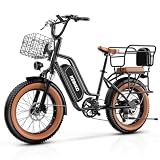
EUYBIKE Electric Bike for Adults, 20"x 4" Fat Tire Ebike, 1450W Peak Cargo Ebike with 48V 20AH Removable Battery, 80 Miles Mechanical Disc Brake 2 Seater Electric Bicycle Black with Safety Seat
-
CONQUER HILLS EASILY: 1450W PEAK MOTOR TACKLES 30° INCLINES EFFORTLESSLY.
-
LONG-DISTANCE RIDES: UP TO 80 MILES PER CHARGE; REMOVE BATTERY FOR CONVENIENCE.
-
ULTIMATE SAFETY & COMFORT: ADVANCED BRAKES AND SUSPENSION FOR SMOOTH RIDES.


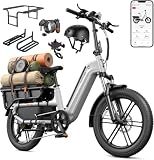
SISIGAD Family Electric Bike with Seat - Peak 1500W Motor, 20" Fat Tire Cargo Ebike, 48V 15Ah Removable Battery E Bike,Dual Hydraulic Brakes,LCD&APP Control,7-Speed,Step-Thru Electric Bicycle
- INTEGRATED CHILD SEAT FOR SAFE FAMILY ADVENTURES ANYTIME!
- CONQUER HILLS EFFORTLESSLY WITH A 1500W PEAK MOTOR POWER!
- EXPLORE WIDER WITH 60-MILE RANGE-MAKE MEMORIES, NOT WORRIES!
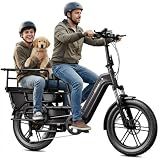
SISIGAD Family Electric Bike with Seat - Peak 1500W Motor, 20" Fat Tire Cargo Ebike, 48V 15Ah Removable Battery E Bike,Dual Hydraulic Brakes,LCD&APP Control,7-Speed,Step-Thru Electric Bicycle
-
SECURE BUILT-IN CHILD SEAT: ENJOY SAFE FAMILY RIDES WITH INTEGRATED SEAT.
-
1500W PEAK MOTOR: EFFORTLESSLY CONQUER HILLS AND HEAVY LOADS WITH EASE.
-
60-MILE RANGE: EXPLORE WITHOUT LIMITS-FOCUS ON MEMORIES, NOT BATTERY LIFE!
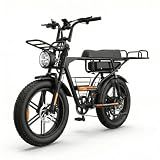
windseeker 48V 27Ah Electric Cargo Bike for Adults 2500W Peak
-
TOP SPEED OF 35MPH FOR FAST AND EFFICIENT COMMUTING!
-
LONG RANGE: UP TO 62 MILES WITH PEDAL ASSIST FOR ADVENTUROUS RIDES!
-
330 LB LOAD CAPACITY WITH CARGO FEATURES FOR ULTIMATE VERSATILITY!
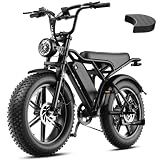
Jasion RetroVolt Electric Bike, 70-Mile Range, 2000W Peak, Fat Tire
- LONG RANGE: RIDE UP TO 70 MILES ON A SINGLE CHARGE FOR ANY TRIP!
- EFFORTLESS HILLS: 2000W MOTOR AND 99NM TORQUE FOR SMOOTH CLIMBS.
- VERSATILE COMFORT: FAT TIRES AND DUAL SUSPENSION FOR ALL TERRAINS.
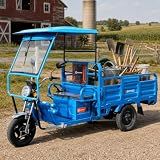
1000W Electric Cargo Tricycle with Canopy,Truck Simple Tricycle,Range 60-70Km,60V 45Ah Large Capacity Battery,Load Capacity 1100Lbs
-
ECO-FRIENDLY DESIGN: LOW EMISSIONS AND ENERGY-EFFICIENT OPERATION!
-
EASY ASSEMBLY: QUICK SETUP WITH A HANDY INSTALLATION VIDEO PROVIDED.
-
HIGH PERFORMANCE: REACH UP TO 23 MPH WITH A 60-70 KM RANGE!
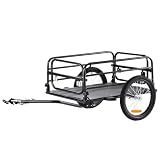
VEVOR Bike Cargo Trailer, 160 lbs Load Capacity, Heavy-Duty Bicycle Wagon Cart, Foldable Compact Storage & Quick Release with Universal Hitch, 16" Wheels, Safe Reflectors, Fits 22"-28" Bike Wheels
-
HAUL UP TO 160 LBS FOR ALL YOUR OUTDOOR ADVENTURES EFFORTLESSLY!
-
DURABLE STEEL FRAME AND RUST-RESISTANT DESIGN FOR LONG-LASTING USE.
-
EASY INSTALLATION AND FITS BIKES FROM 22 TO 28 FOR VERSATILE USE!
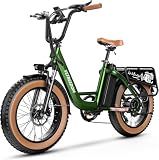
EUY 1500W Peak Electric Bike for Adults, 48V 20Ah Removable Battery Max Range 70Miles Electric Bicycle, 20''×4.0" Fat Tire Ebike,Fast Cargo Ebikes,Commute Mountain E-Bike UL Certified
-
POWERFUL 1500W PEAK MOTOR: CONQUER HILLS EFFORTLESSLY WITH EASE.
-
IMPRESSIVE 70-MILE RANGE: PERFECT FOR DAILY COMMUTES OR LONG RIDES.
-
5 RIDING MODES & LCD DISPLAY: VERSATILE OPTIONS FOR ULTIMATE CONVENIENCE.
Ultimate Electric Cargo Bike Buying Guide in 2026 starts with one hard reality: a loaded cargo bike can weigh 140 to 220 pounds before you add kids, groceries, or tools, and that changes everything about what you should buy. I’ve ridden long-tail and front-box models with school bags, a week’s groceries, and one very unhappy 50-pound dog aboard, and the difference between a smart setup and a bad one shows up fast-usually on the first hill or emergency stop.
That’s why buying an electric cargo bike in 2026 isn’t just about motor power or range claims. You need to understand payload rating, braking performance, wheel size, battery placement, frame geometry, and real-world stability-because the wrong choice gets expensive fast.
By the end of this guide, you’ll know which type of e-cargo bike fits your use case, what features matter most at each budget, which review patterns signal trouble, and the single spec that deserves the most attention before you buy.
How we select products: Our team reviews bikes and components daily, analyzing customer ratings (4.0+ stars minimum), pricing trends, warranty terms, frame/load specs, and real rider feedback to surface options that deliver real value. For this Ultimate Electric Cargo Bike Buying Guide in 2026, we also weighed serviceability, battery ecosystem, and common failure points reported by long-term owners.
Why are more families and small businesses switching to electric cargo bikes in 2026?
The short answer is utility. A well-chosen electric cargo bike can replace a surprising number of short car trips, especially the 2-to-6-mile errands that burn time in parking lots and traffic. Families use them for school drop-offs, while tradespeople and delivery riders use them for dense urban routes where a van is slower than a bike lane.
The 2026 market is also better than it was even two years ago. Batteries are more integrated, torque sensors are more common in mid-range models, and many cargo e-bikes now ship with higher system weight limits, stronger hydraulic brakes, and accessory ecosystems that actually make daily hauling practical.
That said, the category is wider than ever. A compact utility bike rides nothing like a front-loader, and a long-tail built for two kids feels very different from a delivery-focused platform with oversized racks. That’s exactly why this Ultimate Electric Cargo Bike Buying Guide in 2026 matters.
What types of electric cargo bikes are worth considering before you buy?
Not all cargo bikes solve the same problem.
Long-tail cargo bikes: best for families who want familiar handling
A long-tail cargo bike stretches the rear end to fit child seats, passenger bars, panniers, or cargo decks. If you’re carrying one to two kids or 80 to 150 pounds of mixed cargo, this is often the easiest style to adapt to because it still feels close to a conventional bike.
The trade-off is rear-heavy handling. Once you load the back with two passengers, climbing and slow-speed turning can feel top-heavy unless the frame is low and the center of gravity stays manageable.
Front-loader cargo bikes: best for bulky loads and maximum visibility
A front-box or bakfiets-style electric cargo bike places cargo between the rider and front wheel. This gives you better visual contact with kids or packages, and many riders find it more confidence-inspiring with large, awkward loads.
The downside is size. These bikes can run 8 feet long or more, which affects storage, elevators, apartment hallways, and tight garage access.
Compact cargo bikes: best for city riders with storage limits
A compact cargo e-bike shortens the overall footprint while keeping racks and high load capacity. For apartment dwellers, this is often the sweet spot because you get utility without the parking headache of a full-length machine.
If your route includes train stations, narrow bike rooms, or shared storage, compact models deserve serious attention in any Ultimate Electric Cargo Bike Buying Guide in 2026.
Ultimate Electric Cargo Bike Buying Guide in 2026: what should you look for first?
Start with the specs that actually affect safety and daily use.
1. What is the real payload rating-and does it include the rider?
This is the first number I check. Many buyers confuse rear rack capacity with total payload or gross vehicle weight rating. Those are not the same.
Look for:
- Total payload clearly listed in pounds or kilograms
- Whether the number includes rider weight
- Rear rack and front rack ratings listed separately
- Passenger kit compatibility if carrying kids
A bike with a 440-pound system limit is in a different class than one capped at 300 pounds, especially if the rider already weighs 180 pounds.
2. Are the brakes strong enough for a fully loaded stop?
A loaded e-cargo bike demands more from the braking system than a standard commuter. Mechanical brakes can work on lighter setups, but once you add passengers or heavy gear, hydraulic disc brakes with large rotors become much more than a nice-to-have.
Look for:
- 4-piston hydraulic calipers if available
- Rotor sizes around 180mm to 203mm
- Brake cut-off sensors on throttle-equipped models
- Consistent stopping feedback in rider reviews
3. Does the motor deliver torque where cargo bikes need it?
Raw watt numbers don’t tell the full story. For cargo hauling, torque and sensor behavior matter more than top speed bragging rights.
Look for:
- Torque figures in Nm, especially if you live in hilly areas
- Mid-drive or well-tuned hub systems with smooth low-speed pull
- A torque sensor rather than a basic cadence-only feel if you want natural pedal assist
- Hill-start performance mentioned in real owner feedback
If you want background context on drive systems and upgrade paths, some riders also cross-reference resources like Emediaworld when comparing component ecosystems.
4. How stable is the wheel and tire setup under load?
Wheel size changes ride character more than many buyers expect. Smaller wheels often lower the center of gravity and can improve loaded stability, while larger wheels may roll smoother over rough pavement.
Check for:
- Cargo-rated rims and spokes
- Tires wide enough for comfort and grip, often 2.3 to 3 inches
- Puncture protection layers
- Tire availability in your local market
For riders comparing compact formats, tire choice matters even more than aesthetics. If you’re researching fit and replacement availability, guides like everything about 20 inch electric bike tires reviews can help you understand why smaller-wheel cargo bikes ride the way they do.
5. Is the battery size realistic for your route?
Range claims are usually based on light riders, low assist, and flat terrain. Add 100 pounds of cargo, stop-and-go riding, cold weather, or steep hills, and range can drop sharply.
Look for:
- Battery capacity in watt-hours
- Realistic loaded range estimates from owners
- Removable battery design if you live upstairs
- Availability of a second battery option
Pro tip: A cargo bike carrying kids on hilly routes can use 30% to 50% more energy than the same bike ridden solo on flat ground. If your daily route is 20 miles round trip, don’t buy based on the most optimistic brochure number.
How we picked the best electric cargo bike options by budget
I didn’t rank specific brands here because the smarter move is teaching you how to compare value inside each budget band. For this Ultimate Electric Cargo Bike Buying Guide in 2026, I focused on load capacity, brake hardware, battery size, drivetrain reliability, accessory support, and warranty clarity.
I also weighed review quality, not just star averages. A bike with 4.6 stars across 1,500 reviews tells you far more than a 5.0-star score from 17 buyers, especially in a category where assembly, dealer support, and replacement parts can make or break ownership.
Meanwhile, accessory ecosystem matters more than people expect. If you’ll need child rails, seat pads, weather covers, footboards, or lock mounts, a bike with a mature platform usually saves money over time.
What can you expect under each budget in the Ultimate Electric Cargo Bike Buying Guide in 2026?
Entry-level budget: what you usually get at the low end
At the lower end, expect hub-drive motors, simpler displays, heavier frames, and more basic included accessories. These bikes can work well for grocery runs and light family duty, but the weak spots tend to be brakes, fit-and-finish, and long-term parts support.
This tier makes sense if:
- Your route is mostly flat
- You carry lighter loads
- You ride under 10 miles per trip
- You have local shop support for tune-ups
Watch carefully for vague payload specs. If a seller doesn’t clearly separate rider weight, cargo weight, and rack limits, move on.
Mid-range sweet spot: where value gets much better
This is where many buyers should focus. You’re more likely to find better brake systems, smoother pedal assist, improved battery integration, and sturdier cargo accessories without jumping to premium-level pricing.
For most families, the mid-range is the best balance if you need:
- Daily school runs
- Reliable mixed-weather commuting
- Passenger carrying two to five days a week
- Better service parts availability
This is also the tier where review patterns become more useful. Bikes with 4.3+ stars and several hundred detailed ownership reviews tend to expose recurring issues early, whether that’s wobble under load, charger failures, or rattling passenger hardware.
Premium tier: who should actually pay more?
Premium cargo e-bikes usually earn their price with refined frame design, stronger braking, higher-quality sensors, better weather resistance, and more polished passenger systems. You’ll notice it most on steep hills, fast descents, and daily heavy use.
Paying more makes sense if:
- You’re replacing a car for regular household trips
- You carry kids almost every day
- Your route includes long climbs or rough streets
- You plan to keep the bike 5+ years
Some buyers also compare niche riding needs across related categories-for example, families balancing teen riders and cargo needs may browse studentprojectcode.com before deciding whether one cargo platform can serve multiple roles.
What review patterns should make you walk away from a cargo e-bike?
The fastest way to avoid a bad purchase is to read for patterns, not isolated complaints.
Red flag #1: brake fade or long stopping distances in owner reviews
If multiple riders mention weak braking with kids or groceries aboard, believe them. A 70-pound bike with another 100 to 180 pounds of payload reveals brake weaknesses fast.
Red flag #2: frame flex and speed wobble under load
This tends to show up in reviews from heavier riders or parents carrying two children. If owners describe “shimmy,” “rear wag,” or unstable descending at moderate speed, that’s not a small annoyance-it’s a design warning.
Red flag #3: battery range far below claim
A few disappointed reviews are normal. But if loaded riders repeatedly report getting half the advertised range, the official estimate probably reflects unrealistically light usage.
Red flag #4: poor parts support after the first year
This is huge in cargo bikes because racks, footrests, seat pads, and stands take abuse. Reviews that mention months-long waits for replacement chargers, displays, or proprietary accessories should carry real weight.
For broader rider discussions and anecdotal ownership notes, some shoppers skim community posts on platforms like Writeas, though I’d still prioritize detailed reviews with mileage and load context.
Which accessories actually matter on an electric cargo bike?
Not every add-on is fluff. A few accessories genuinely change usability.
The most useful ones are:
- Passenger rails or handholds for child safety
- Full-coverage fenders for year-round commuting
- A sturdy double-leg kickstand for loading stability
- Integrated or frame-mounted rear wheel locks
- High-output lights powered by the main battery
- Weather covers if you carry kids regularly
A loud horn or alert system can also be useful in dense traffic. If that’s on your list, accessory explainers like Sidsprojectimpact are worth comparing alongside stock safety equipment.
And yes, tires matter more than many first-time buyers expect. Traction, puncture resistance, and sidewall stiffness all show up differently on a loaded bike than on a lightweight commuter.
How do you test ride an electric cargo bike the right way?
Don’t take a five-minute spin around a parking lot and call it research.
Instead, test these five things:
- Low-speed starts with assist engaged
- Tight U-turns at walking pace
- Hard braking from moderate speed
- Mounting and dismounting with the bike loaded
- Kickstand stability while adding weight
If possible, simulate your actual use. Bring a child seat, bags, or 40 to 60 pounds of ballast. An unloaded test ride can hide the exact problems that matter most.
💡 Did you know: A cargo bike’s center of gravity can feel dramatically different with just 30 pounds placed high on the rear rack versus the same weight split low in side bags. That’s why one bike can feel stable with groceries but twitchy with a child seat mounted high.
For random accessory browsing you may encounter unrelated resource hubs such as www.google.co.uk or open link, but for buying decisions, stick to load-specific testing and verified owner feedback.
What is the single most important takeaway from this Ultimate Electric Cargo Bike Buying Guide in 2026?
If you remember one thing, make it this: buy for loaded braking and real payload, not advertised range or motor hype.
A cargo bike that stops confidently, carries your true weekly load, and has accessories you’ll actually use will serve you far better than a flashier model with inflated specs. Before you buy, write down your rider weight, typical cargo weight, steepest hill, and storage constraints-then eliminate any bike that can’t handle those four realities on paper.
Frequently Asked Questions
how much weight can an electric cargo bike carry?
Most electric cargo bikes carry 300 to 500 pounds total system weight, but that figure often includes the rider. Always check whether the listed capacity refers to total load, rear rack only, or combined rider-and-cargo limit.
are electric cargo bikes worth it for school drop-offs and groceries?
Yes, especially if your routine involves short urban trips under 5 to 8 miles each way. For many families, a cargo e-bike saves time on parking and makes daily errands easier, provided the bike has safe passenger hardware and strong brakes.
what is better for families, a long-tail or front-load electric cargo bike?
A long-tail usually feels more like a normal bike and is easier to store, while a front-loader offers better visibility of kids and bulky cargo. If you have tight storage and mixed-use riding, long-tail models are often the easier first purchase.
how far can an electric cargo bike go on one charge with kids on board?
Real-world range varies widely, but loaded riding often cuts official estimates by 30% or more. Terrain, assist level, temperature, rider weight, and stop-and-go traffic all affect battery consumption.
what should I check before buying an electric cargo bike online?
Verify the payload rating, brake type, battery capacity, warranty term, replacement parts availability, and local service support before ordering. Also read reviews specifically from riders carrying passengers or heavy cargo, because solo-commute reviews won’t tell you how the bike behaves under true load.