
Best External Hard Drives in October 2026
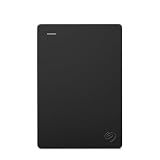
Seagate 2TB Portable Hard Drive | USB 3.0 (STGX2000400)
- EFFORTLESSLY STORE 2TB OF CONTENT; ACCESS ON-THE-GO WITH EASE.
- SEAMLESS DRAG-AND-DROP BACKUP FOR WINDOWS AND MAC USERS.
- PLUG-AND-PLAY SETUP WITH 18 USB 3.0 CABLE INCLUDED.


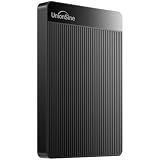
UnionSine 500GB Ultra Slim Portable External Hard Drive HDD-USB 3.0
-
ULTRA-FAST TRANSFERS: ENJOY SPEEDS UP TO 125MB/S WITH USB 3.0 SUPPORT.
-
ULTRA-THIN & QUIET: LIGHTWEIGHT DESIGN ENSURES EASY PORTABILITY AND SILENCE.
-
PLUG & PLAY READY: NO SOFTWARE NEEDED-JUST CONNECT AND USE INSTANTLY!
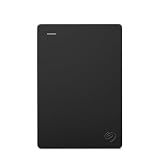
Seagate Portable 4TB External Hard Drive HDD – USB 3.0 for PC, Mac, Xbox, & PlayStation - 1-Year Rescue Service (SRD0NF1)
-
STORE 4TB OF CONTENT: PERFECT FOR ALL YOUR PERSONAL FILES ON-THE-GO!
-
DRAG AND DROP BACKUP: EFFORTLESS FILE MANAGEMENT FOR WINDOWS AND MAC!
-
PLUG AND PLAY SETUP: EASY CONNECTION WITH INCLUDED USB 3.0 CABLE!
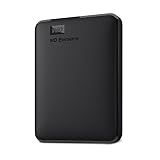
Western Digital WD 5TB Elements Portable External Hard Drive for Windows, USB 3.2 Gen 1/USB 3.0 for PC & Mac, Plug and Play Ready - WDBU6Y0050BBK-WESN
- EFFORTLESS PLUG-AND-PLAY SETUP FOR INSTANT CONNECTIVITY.
- LIGHTNING-FAST DATA TRANSFER WITH USB 3.2 GEN 1 (5GBPS).
- EXPANDABLE DESIGN FOR SEAMLESS INTEGRATION WITH EXISTING DEVICES.
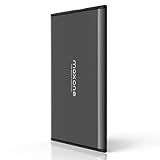
Maxone 500GB Ultra Slim Portable External Hard Drive HDD USB 3.0 Compatible with PC, Laptop, Charcoal Grey
- ULTRA-SLIM 0.4 DESIGN: STURDY ALUMINUM FOR DURABILITY AND STYLE.
- USB 3.0 SPEEDS: TRANSFERS DATA UP TO 5 GBIT/S SEAMLESSLY.
- PLUG & PLAY CONVENIENCE: NO INSTALLATION OR POWER SUPPLY NEEDED.
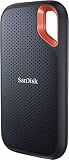
Sandisk 2TB Extreme Portable SSD, Up to 1050MB/s Read Speeds (Old Model)
-
EXPERIENCE LIGHTNING-FAST SPEEDS: UP TO 1050MB/S READ, 1000MB/S WRITE!
-
RUGGED DESIGN: 3-METER DROP PROTECTION AND IP65 WATER/DUST RESISTANCE.
-
SECURE YOUR DATA WITH 256-BIT AES HARDWARE ENCRYPTION AND PASSWORD PROTECTION.
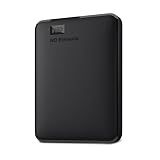
WD 2TB Elements Portable External Hard Drive for Windows, USB 3.2 Gen 1/USB 3.0 for PC & Mac, Plug and Play Ready - WDBU6Y0020BBK-WESN
- EXPANDABLE STORAGE UP TO 6TB IN A COMPACT, PORTABLE DESIGN.
- EASY PLUG-AND-PLAY SETUP FOR INSTANT ACCESS AND CONVENIENCE.
- LIGHTNING-FAST USB 3.2 GEN 1 FOR QUICK FILE TRANSFERS AND BACKUPS.
Ultimate Hdd External Hard Drive Guide in 2026 starts with a simple reality: a single hour of 4K video can eat 45GB to 100GB, modern game libraries regularly pass 500GB, and plenty of laptops still ship with storage that fills up far sooner than buyers expect. That’s why external HDDs remain relevant in 2026, even in a market obsessed with speed.
I still use external hard drives for the jobs flash storage doesn’t handle as cost-effectively: long-term backups, media archives, cold storage, and moving huge folders without paying premium-per-terabyte pricing. If you’re trying to decide whether to buy one, what size makes sense, or how to avoid the noisy, failure-prone duds, this guide will save you time and probably money too.
How we select products: Our team reviews storage products daily, analyzing customer ratings (4.0+ stars minimum), pricing trends, warranty terms, enclosure quality, transfer speed expectations, and real buyer feedback to surface options that deliver dependable value over time.
Why does the Ultimate Hdd External Hard Drive Guide in 2026 still matter if SSDs are faster?
Because cost per terabyte still decides most storage purchases.
In real-world shopping, external HDDs often give you 2TB to 5TB of storage for the kind of budget that might only buy 500GB to 1TB in portable SSD capacity. If your main goal is backing up photos, videos, project files, or console installs you don’t need lightning-fast access to every day, an HDD usually stretches your money further.
That matters even more for home backup. A proper backup target should ideally hold at least 2x the data currently stored on your computer, so if your laptop has 1TB filled to 600GB, buying a 1TB drive is already tight.
Ultimate Hdd External Hard Drive Guide in 2026: who should actually buy one?
An external HDD makes the most sense for people who value capacity over raw transfer speed.
You’re a strong candidate if you fall into one of these groups:
- Photographers or video hobbyists storing multi-gigabyte RAW files
- Students archiving semesters of projects, media, and research
- Gamers moving older installs off internal storage
- Home-office users who need scheduled backups
- Families keeping years of phone photos in one place
- Anyone building a second copy of important files without overspending
If, however, you edit 6K footage directly from the drive or transfer hundreds of gigabytes every day, you may be better served by a solid-state option for active work and an HDD for archive duty.
What do you need to check before buying an external HDD in 2026?
This is where most buyers either get a great deal or buy the wrong drive size, connector, or format.
1. How much storage do you really need?
Don’t shop based on today’s free space. Shop based on 12 to 24 months of growth.
A practical rule:
- 1TB: light documents, photos, and occasional backups
- 2TB: typical personal use, mixed media, student files
- 4TB: larger photo/video libraries, multi-device backup
- 5TB and above: extensive archives, family media vaults, game libraries
If you already have 700GB of data, a 2TB external HDD is usually the smarter buy than a 1TB model, because backup history, duplicate folders, and future growth fill drives faster than people expect.
2. Is it portable or desktop-powered?
Portable HDDs usually run over one USB cable, making them convenient for travel and laptop users. Desktop external hard drives often need wall power, but they tend to make more sense once you get into larger capacities and always-on backup setups.
If the drive will live on a desk beside one machine, desktop style is fine. If you’ll toss it into a backpack, prioritize a compact portable enclosure.
3. Which USB standard does it use?
For hard drives, the interface still matters, even though spinning disks won’t max out the fastest standards.
Look for:
- USB 3.x support as a baseline
- Broad compatibility with Windows, macOS, and gaming consoles
- Included cable type that matches your device
A typical external HDD often transfers in the 100MB/s to 160MB/s range, so while USB bandwidth isn’t usually the bottleneck, older ports can still slow large file moves.
4. What’s the warranty length?
A 2-year warranty is decent. 3 years is better.
Drives with longer warranties often signal better confidence from the manufacturer, and buyer reviews frequently show fewer early-life failures in models backed beyond the bare minimum.
5. Is it preformatted for your setup?
Many drives arrive ready for one operating system but not ideal for another. If you switch between platforms, formatting may be required; Studentprojectcode covers the basic formatting workflow if you need a refresher.
6. Does the drive include backup software or encryption?
This isn’t a deal-breaker, but it’s useful. Automatic backup scheduling and password protection add practical value, especially if you’re storing tax files, family photos, or client documents.
Ultimate Hdd External Hard Drive Guide in 2026: our selection criteria for trustworthy picks
I don’t trust shiny spec sheets alone, and you shouldn’t either.
For any external hard drive guide, the strongest recommendations should be filtered through a few hard metrics:
- Rating floor: at least 4.0 stars
- Review depth: ideally 500+ reviews so one-week impressions don’t skew the picture
- Failure pattern checks: repeated complaints about clicking, disconnects, or overheating are major warning signs
- Capacity honesty: real usable space should align with what buyers expect after formatting
- Value stability: models with wild price swings are harder to recommend confidently
- Case quality: flimsy housings correlate with more drop-related complaints
- Support reputation: warranty service matters if something fails in month 14, not week 1
That same research mindset applies if you’re comparing tutorials and storage workflows elsewhere, whether you’re reading Ubuntuask for file transfers or checking setup notes in this article.
Which external HDD capacity gives the best value in 2026?
For most shoppers, the sweet spot sits in the middle-not the smallest drive and not the giant archive brick.
Best options under the entry-level budget range
The lowest-cost range usually gives you 1TB and sometimes 2TB, depending on promotions and seasonal demand.
This bracket works best if you:
- back up one laptop
- store documents and photos
- move media files occasionally
- don’t need years of retention history
The catch? Smaller drives often have the highest cost per terabyte, so they look cheap upfront but can be weaker long-term value.
The 2TB to 4TB sweet spot most buyers should start with
This is where the math usually works in your favor.
For personal backups, mixed media, and general external storage, 2TB to 4TB tends to hit the balance of affordability, practicality, and enough breathing room that you won’t be shopping again in six months. Buyers in this range also tend to report less “instant regret” than those who buy the smallest size available.
Premium capacity picks over 5TB: best for archives and game libraries
If you’re storing years of footage, multiple household backups, or a large offline media collection, larger HDDs become much more compelling.
The main tradeoff is bulk and, sometimes, external power requirements. Still, if your workflow is archive-first rather than speed-first, this segment can offer the best price-per-gigabyte of the entire category.
What do reviews reveal about external HDD problems in 2026?
Patterns show up fast if you read enough buyer feedback.
The most common complaints across low-rated external hard drives are:
- Unexpected disconnects during long transfers
- Audible clicking after a few weeks or months
- Short cables that create desk strain
- Plastic enclosures that flex too easily
- Confusing reformatting steps for cross-platform use
Drives rated below 4.2 stars often show a noticeably higher share of “arrived working, failed within months” reviews. Meanwhile, products with thin review counts can look excellent until you realize the sample size is too small to reveal durability issues.
Pro tip: If a drive has lots of 5-star reviews but several detailed 1-star reports mentioning clicking, disappearing from File Explorer, or copy failures past 100GB, treat that as a stronger warning than cosmetic complaints. Mechanical drive failures usually announce themselves in patterns.
Is an external HDD good for gaming, backups, and media storage?
Yes-but not equally for all three.
For backups, HDDs are still one of the smartest buys in 2026. Backup jobs care more about dependable capacity than ultra-fast random read performance.
For media storage, they’re ideal. Movies, music libraries, finished photo exports, and archived project folders don’t need SSD-level speed to be useful.
For gaming, they’re best as a secondary location. Older console titles, cold storage for big installs, and less-played games fit well, and if you’re saving console data externally, https://elvanco.com offers a platform-specific walkthrough.
How can you tell if an external hard drive is a bad deal?
Cheap storage can get expensive fast if the drive is unreliable.
Red flags that should make you skip a drive
- Ratings below 4.0 stars
- Too few reviews to judge long-term reliability
- Repeated mentions of overheating
- No clear warranty information
- Unusually low price for very high capacity
- Many reports of disconnects during large transfers
- No mention of shock resistance or enclosure durability
If you’re comparing offers and promotions, don’t just chase the lowest sticker. Use review history and retailer patterns alongside price pages like best external hard drive prices to see whether a discount is actually meaningful or just normal pricing dressed up as a sale.
Why suspiciously large discounts deserve extra scrutiny
Storage deals can be real, but clearance pricing sometimes points to older inventory, unpopular enclosures, or models with uneven reliability feedback.
I pay closer attention when a drive is discounted far below its usual bracket while similar-capacity competitors stay relatively stable. That often signals a reason beyond generosity.
How should you set up a new external HDD the right way?
The first 30 minutes matter more than people think.
After unboxing, do these in order:
- Inspect the enclosure and cable for loose fit or damage
- Connect directly to your computer, not a weak hub
- Verify detected capacity matches expectations after formatting overhead
- Run a test copy of at least 20GB to 50GB
- Rename the drive clearly so you know its purpose
- Enable scheduled backups if it will protect important files
- Safely eject every time on portable use
If you need broader context on drive setup and file movement, you may also see references online such as go to page and www.google.ru, but the essentials above are what actually reduce setup mistakes.
Ultimate Hdd External Hard Drive Guide in 2026: what’s the single smartest buying rule?
Buy for capacity headroom and reliability first, speed second.
That one rule eliminates most buyer regret. A well-reviewed external HDD with 2x your current storage needs, 4.2+ stars, and a 2- to 3-year warranty will usually serve you better than a smaller drive that looked cheaper on day one.
Frequently Asked Questions
are external HDDs still worth buying in 2026?
Yes, especially for backups, media archives, and bulk storage where cost per terabyte matters more than maximum speed. If you need lots of space without paying a premium, external HDDs still make strong sense.
what size external hard drive do I need for backup?
A good rule is to buy a drive with at least twice the amount of data you currently store. If your computer holds 800GB of important files, a 2TB drive gives you room for future growth and backup history.
is an HDD or SSD better for an external hard drive?
It depends on the job. HDDs are better for affordable high-capacity storage, while SSDs are better for speed, travel, and active editing workflows.
can I use an external HDD for gaming in 2026?
Yes, but it works best for storing large game libraries, older titles, and backups rather than the fastest possible load times. For active competitive gaming or heavy current-generation installs, faster storage is usually the better fit.
what should I look for before buying an external hard drive?
Check capacity, warranty length, review rating, enclosure durability, and connection type before anything else. If you only remember one thing from this Ultimate Hdd External Hard Drive Guide in 2026, make it this: buy the drive that gives you enough headroom to grow, not the one that barely fits today.